
What We
Do
01
Brand Marketing
Strategic planning
Innovative Strategies
Innovation is the key to staying competitive and driving growth in today’s fast-paced business environment. Implementing innovative strategies can help businesses differentiate themselves, uncover new opportunities, and adapt to changing market dynamics.
- Open Innovation
- Design Thinking
- Data-Driven Decision Making
- Cultivating a Culture of Innovation
Portfolio Architecture
Portfolio architecture refers to the strategic framework and structure for managing a collection of projects, programs, or investments within an organization. It involves designing a cohesive and balanced portfolio that aligns with the organization’s goals, objectives, and resources
- Portfolio Alignment
- Portfolio Balancing
- Portfolio Optimization
- Portfolio Performance Measurement
- Portfolio Adaptability
02
Digital Experience
Platform integration
Lorem ipsum dolor sit amet, consectetur adipiscing elit. Ut elit tellus, luctus nec ullamcorper mattis, pulvinar dapibus leo.
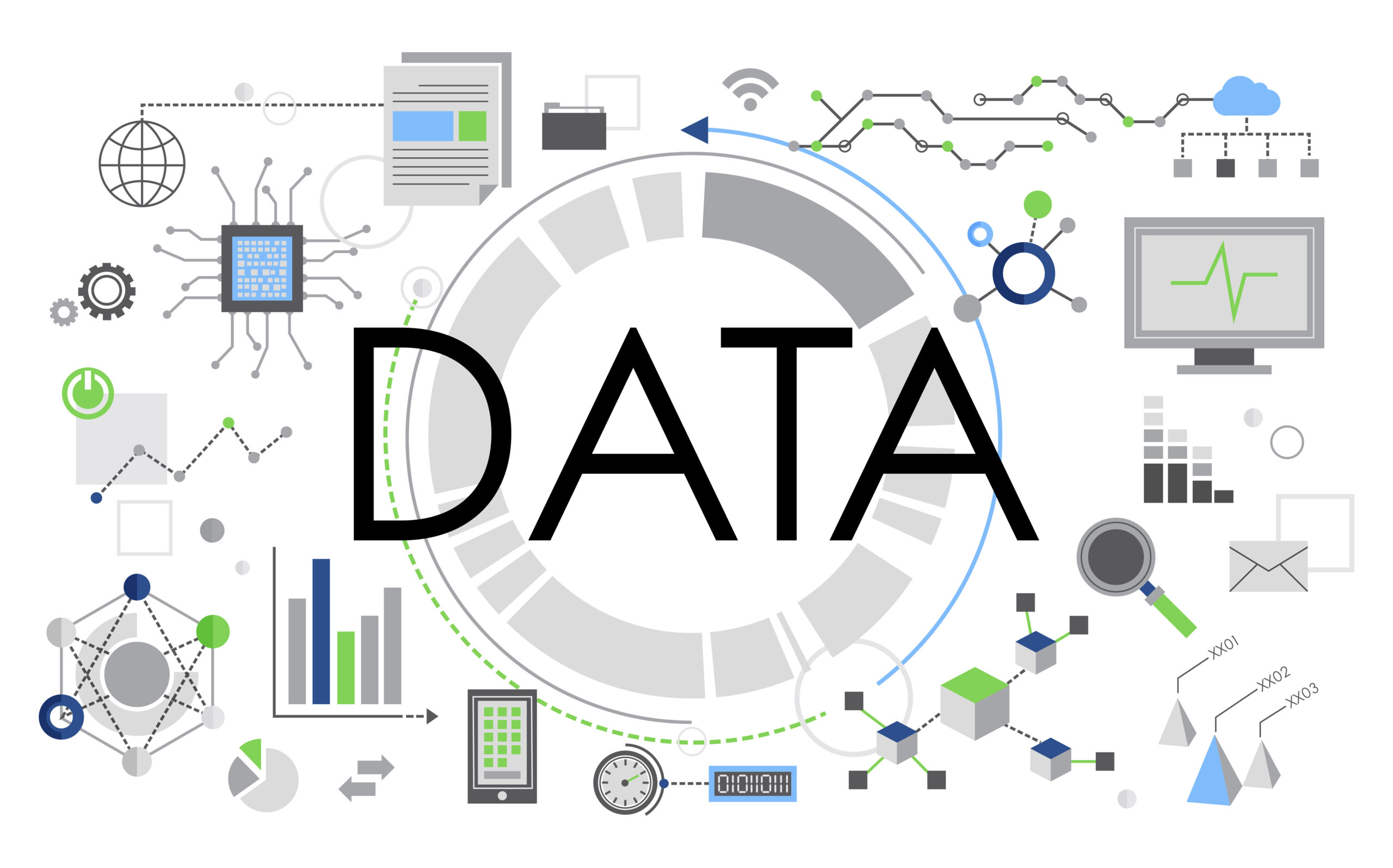
Data Integration
- Enables the flow of data between different platforms or systems.
- Ensures data consistency and accuracy across integrated platforms.
- Facilitates real-time data updates and synchronization.
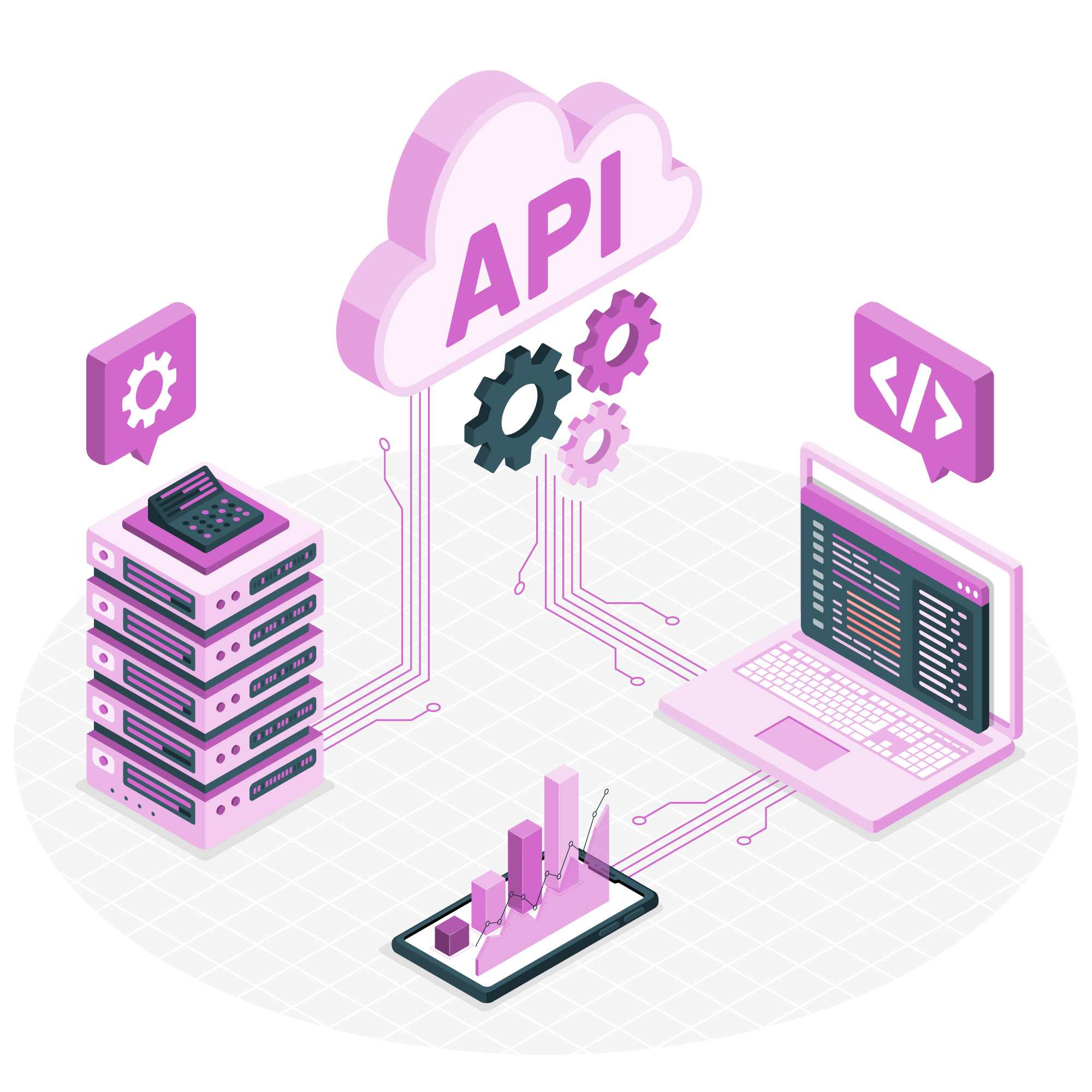
Application Programming Interfaces (APIs)
- APIs provide a standardized way for platforms to communicate and share data.
- APIs allow for integration by exposing functionalities and data to other systems.
- Enables developers to connect and interact with platforms programmatically.
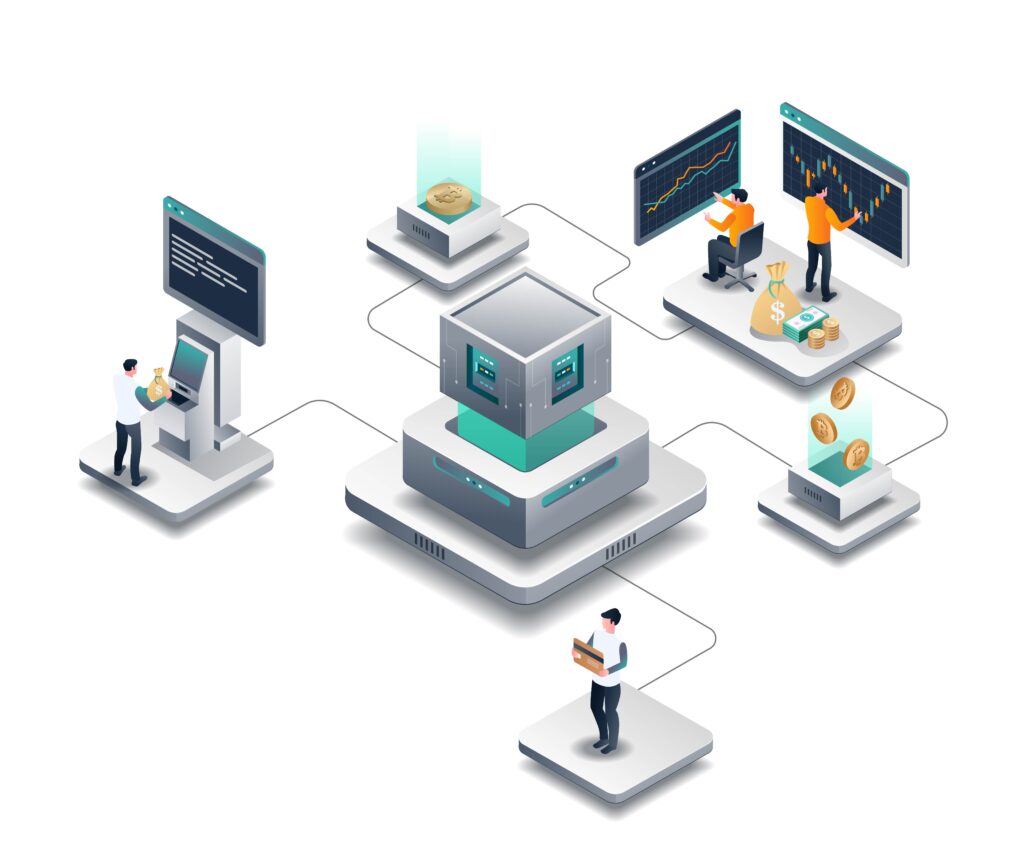
Platform Ecosystems
- Integration enables the creation of platform ecosystems.
- Allows third-party applications or services to integrate with a core platform.
- Expands the functionality and capabilities of the integrated platforms.
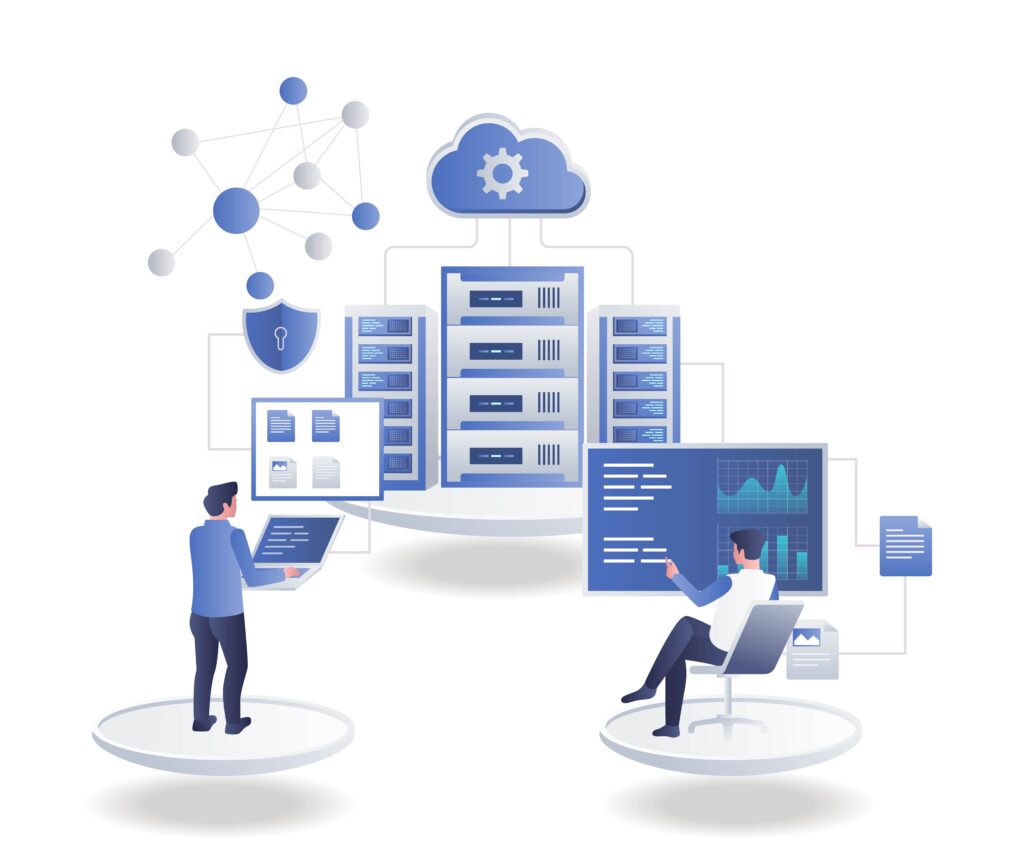
Cloud-Based Integration
- Cloud-based integration solutions offer flexibility and scalability.
- Enables integration across geographically dispersed systems.
- Reduces infrastructure and maintenance costs.
- Allows third-party applications or services to integrate with a core platform.
- Expands the functionality and capabilities of the integrated platforms.
03
Data Science
Data platforms
Data Storage and Management
- Data platforms offer robust storage capabilities to store structured, unstructured, and semi-structured data.
- They provide efficient data management features, including data ingestion, data cleansing, and data transformation.
Data Integration and ETL
- Data platforms enable the integration of data from disparate sources, such as databases, data warehouses, APIs, and streaming platforms.
- They support Extract, Transform, Load (ETL) processes to transform and load data into a unified format for analysis.
Data Processing and Analytics
- Data platforms provide tools and frameworks to process and analyze large volumes of data.
- They support distributed computing and parallel processing to handle complex analytical workloads efficiently.
- They offer a range of analytics capabilities, including batch processing, real-time streaming analytics, and machine learning.
Scalability and Performance
- ata platforms are designed to scale horizontally, allowing organizations to handle growing data volumes and increasing user demands.
- They provide performance optimization features, such as query optimization and indexing, to ensure efficient data retrieval and analysis.
- They support distributed computing and parallel processing to handle complex analytical workloads efficiently.
- They offer a range of analytics capabilities, including batch processing, real-time streaming analytics, and machine learning.